
Introduction
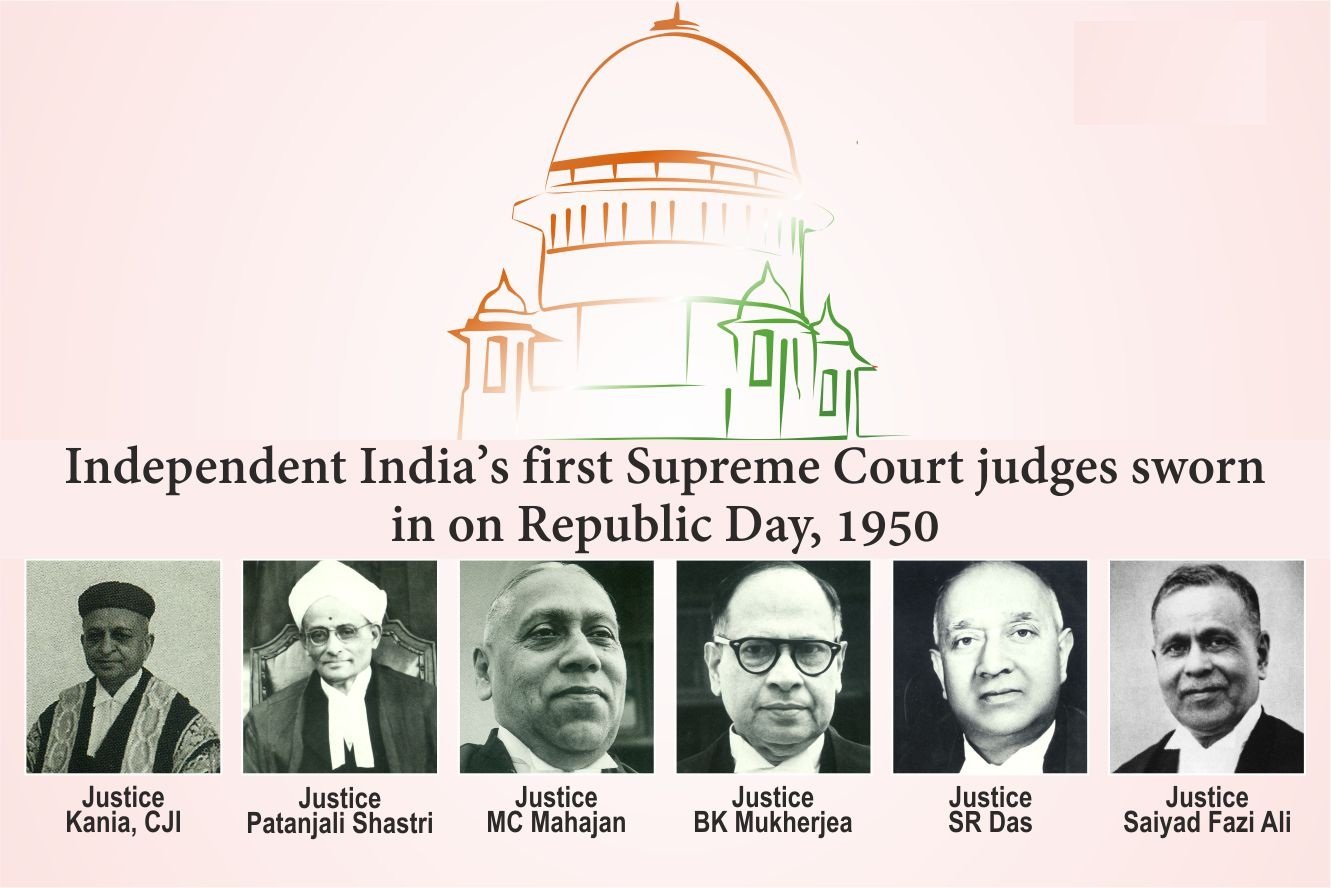
The Gopalan Case of 1950 formally known as A K Gopalan versus State of Madras was one of the earliest constitutional cases decided by the Supreme Court of India. It came at a time when the Indian Constitution had just come into force and the meaning and scope of fundamental rights were yet to be interpreted. The case revolved around preventive detention and raised crucial questions regarding personal liberty national security and the relationship between individual rights and state authority. For civil services aspirants this case is significant as it laid the foundation of constitutional interpretation in India and shaped the early jurisprudence on Article 21 and Article 19.
Background and Context
After independence India faced severe internal security challenges including political instability refugee movements and ideological conflicts. To deal with perceived threats the government enacted preventive detention laws. A K Gopalan a communist leader was detained under the Preventive Detention Act of 1950. He challenged his detention on the ground that it violated his fundamental rights guaranteed under Articles 19 21 and 22 of the Constitution. At that time the judiciary was confronted with the task of balancing civil liberties with the need for maintaining public order in a newly independent nation.
The constitutional context was also evolving. Fundamental rights were inspired by liberal democratic traditions yet the framers allowed certain restrictions considering India’s socio political realities. The Gopalan case became the first major test of these provisions and of the Supreme Court’s interpretative approach.
Current Scenario
Although the Gopalan judgment itself belongs to the early years of the Republic its relevance continues in constitutional debates. Later judgments such as Maneka Gandhi case significantly expanded the interpretation of Article 21 and diluted the narrow approach adopted in Gopalan. Today preventive detention laws still exist under constitutional safeguards and are periodically reviewed in public discourse. Reports in national newspapers and discussions in policy forums highlight concerns about misuse of preventive detention and the need for procedural fairness. The Gopalan case is therefore studied not as a settled precedent but as a milestone that was later corrected and refined by constitutional jurisprudence.
Government Policies and Legal Provisions
The case primarily dealt with the interpretation of the following constitutional provisions.
Article 21 which guarantees protection of life and personal liberty except according to procedure established by law.
Article 19 which provides freedoms such as speech movement and association.
Article 22 which lays down safeguards against arbitrary arrest and detention including preventive detention.
The Preventive Detention Act of 1950 was the statutory basis of the detention. The Supreme Court upheld the Act and adopted a literal interpretation of Article 21 holding that any procedure enacted by law was valid even if it was unjust or unreasonable. It also held that Articles 19 and 21 operated in separate fields.
Challenges and Issues
One major issue highlighted by the case was the narrow interpretation of personal liberty. By limiting Article 21 to mere procedural compliance the judgment reduced the substantive content of liberty.
Another challenge was the separation of fundamental rights. The court treated each right as isolated which weakened the overall protection of individual freedoms.
The judgment also raised concerns regarding excessive state power especially in matters of preventive detention.
There was limited emphasis on judicial review of the fairness and reasonableness of laws affecting liberty.
The decision reflected the tension between national security concerns and civil liberties in a post colonial state.
It also demonstrated the difficulty of constitutional interpretation in the absence of established precedents.
Way Forward
The evolution of constitutional jurisprudence after Gopalan shows the importance of dynamic interpretation. Courts must read fundamental rights harmoniously and give substantive meaning to liberty and dignity. Preventive detention laws should be applied with strict procedural safeguards transparency and periodic review. Legislative oversight and judicial accountability are essential to prevent misuse. Awareness among citizens and civil servants about constitutional values can strengthen democratic governance. The Gopalan case teaches that constitutional interpretation must evolve with social and moral progress.
Significance for Exams
For Prelims
Gopalan case decided in 1950
Related to Preventive Detention Act 1950
Interpreted Articles 19 21 and 22
Adopted procedure established by law doctrine
Upheld validity of preventive detention
Early constitutional bench decision
Later overruled in effect by Maneka Gandhi case
For Mains
Illustrates early narrow interpretation of Article 21
Shows conflict between individual liberty and state security
Demonstrates evolution of fundamental rights jurisprudence
Useful case study in constitutional morality
Highlights importance of judicial activism in later years
For Interview
The Gopalan case reflects the cautious approach of early judiciary
It shows how constitutional interpretation evolves with experience
Balancing liberty and security remains a continuing challenge
Later judgments corrected its limitations strengthening democracy
In Short
The Gopalan Case of 1950 marked the beginning of constitutional interpretation in India. Though limited in its approach it set the stage for future expansion of fundamental rights. Its legacy lies in how later courts learned and evolved from it.


Comments (0)
Leave a Comment