
Background
After the Constitution of India came into force in 1950, the government
introduced the First Constitutional Amendment Act, 1951. This amendment aimed
to place certain restrictions on the right to property and enable land reform
laws. Some citizens challenged this amendment, claiming that Parliament had no
power to amend Fundamental Rights. This dispute led to the landmark case of
Shankari Prasad vs Union of India (1951).
Main Provisions and Key
Facts
- The petitioner, Shankari Prasad, argued that
Fundamental Rights (Part III of the Constitution) cannot be amended under
Article 368.
- The Union of India contended that the power
to amend the Constitution includes the power to amend Fundamental Rights.
- The main issue before the Supreme Court was
whether the Parliament could amend Fundamental Rights under Article 368.
- The Court upheld the validity of the First
Constitutional Amendment Act, 1951.
- It ruled that the term "law" in
Article 13 does not include Constitutional Amendments, meaning Parliament
has the power to amend Fundamental Rights.
Significance
- This was the first major judgment
interpreting the amending power of Parliament.
- It established that Constitutional Amendments
made under Article 368 cannot be struck down under Article 13.
- The case strengthened the supremacy of
Parliament in constitutional matters during the early years of the
Republic.
Criticism or Limitations
- Critics argued that it gave excessive power
to Parliament to alter even Fundamental Rights.
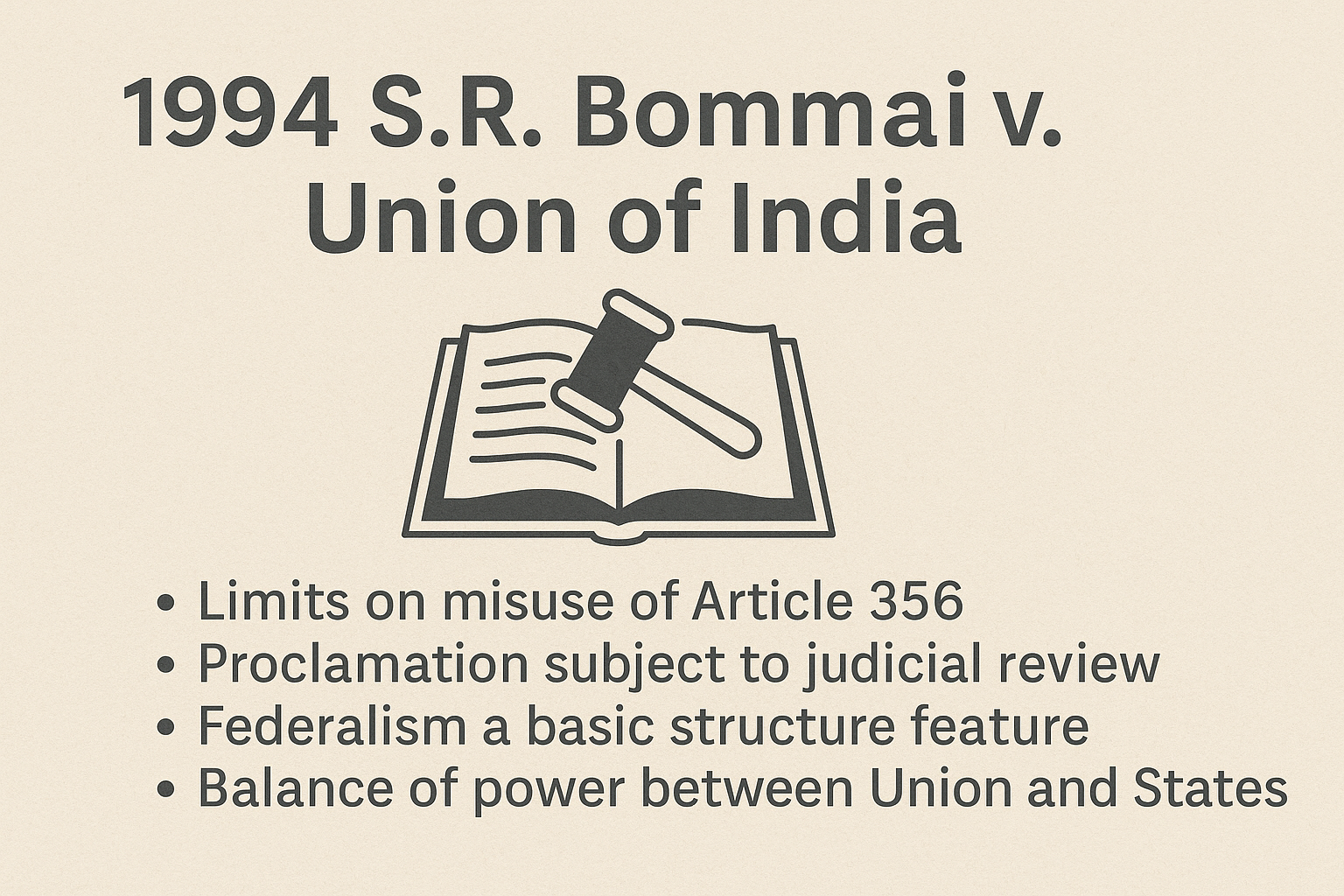
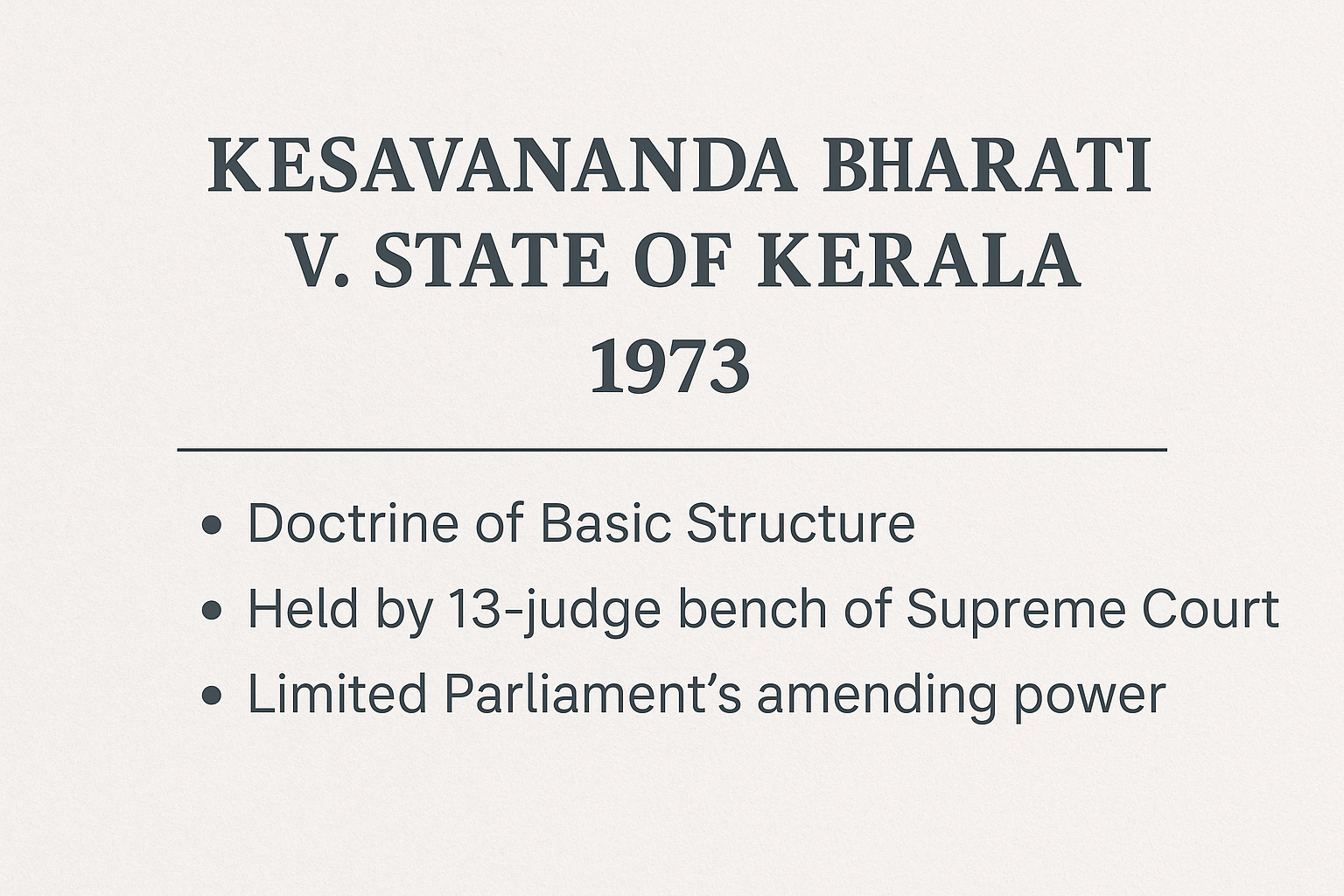
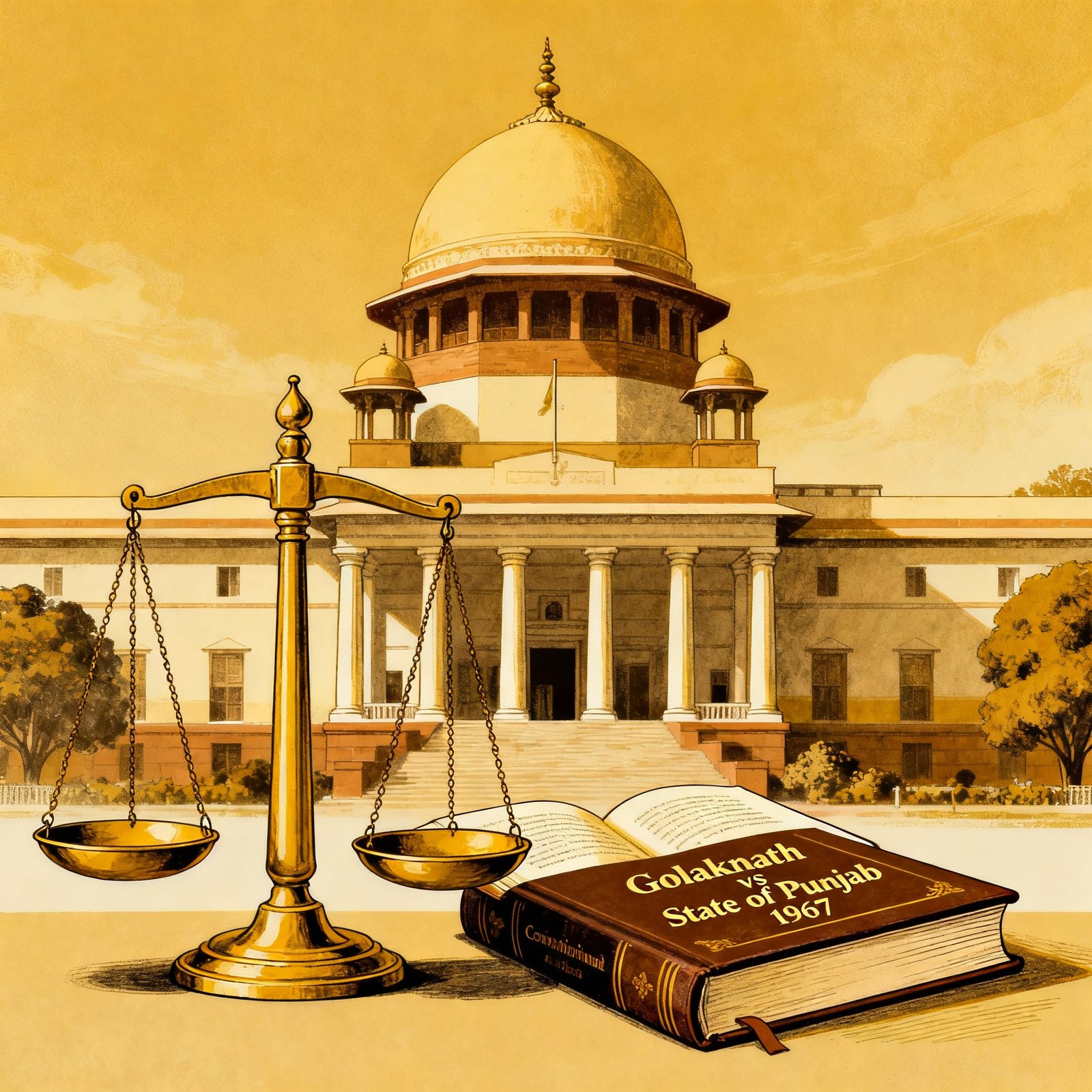
- Later judgments, such as the Golaknath (1967)
and Kesavananda Bharati (1973) cases, revisited and limited this
interpretation.
Key Points for Exams
- Year: 1951
- Case: Shankari Prasad vs Union of India
- Issue: Can Parliament amend Fundamental
Rights under Article 368?
- Verdict: Yes, Parliament can amend
Fundamental Rights.
- Related Articles: Article 13 and Article 368
- Related Amendment: First Constitutional
Amendment Act, 1951
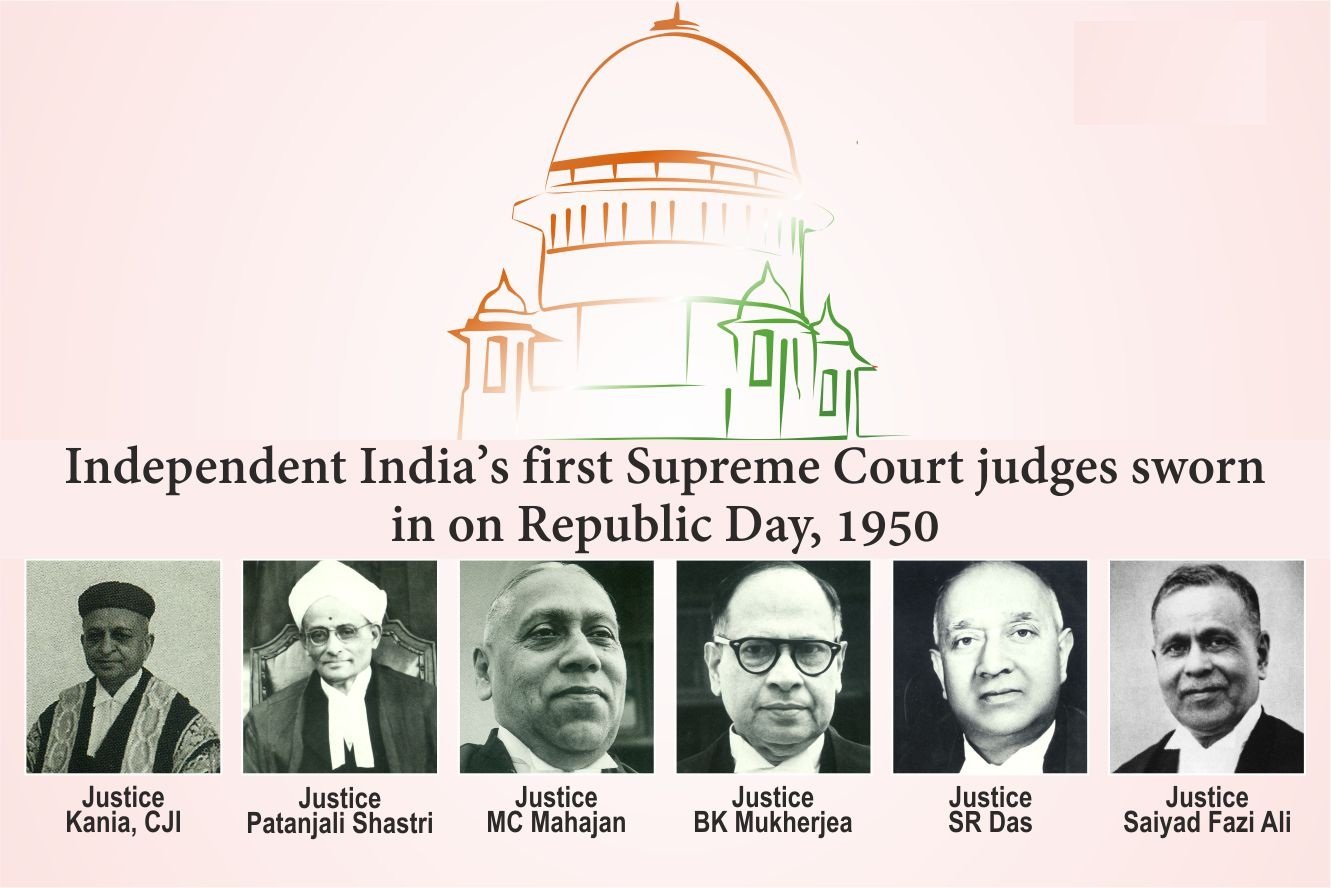
- Bench: 5 judges headed by Chief Justice H.J.
Kania
In Short
The Shankari Prasad case (1951) upheld Parliament’s authority to amend the
Constitution, including Fundamental Rights. It laid the foundation for future
debates on the balance between parliamentary power and individual rights.


Comments (0)
Leave a Comment