
Introduction
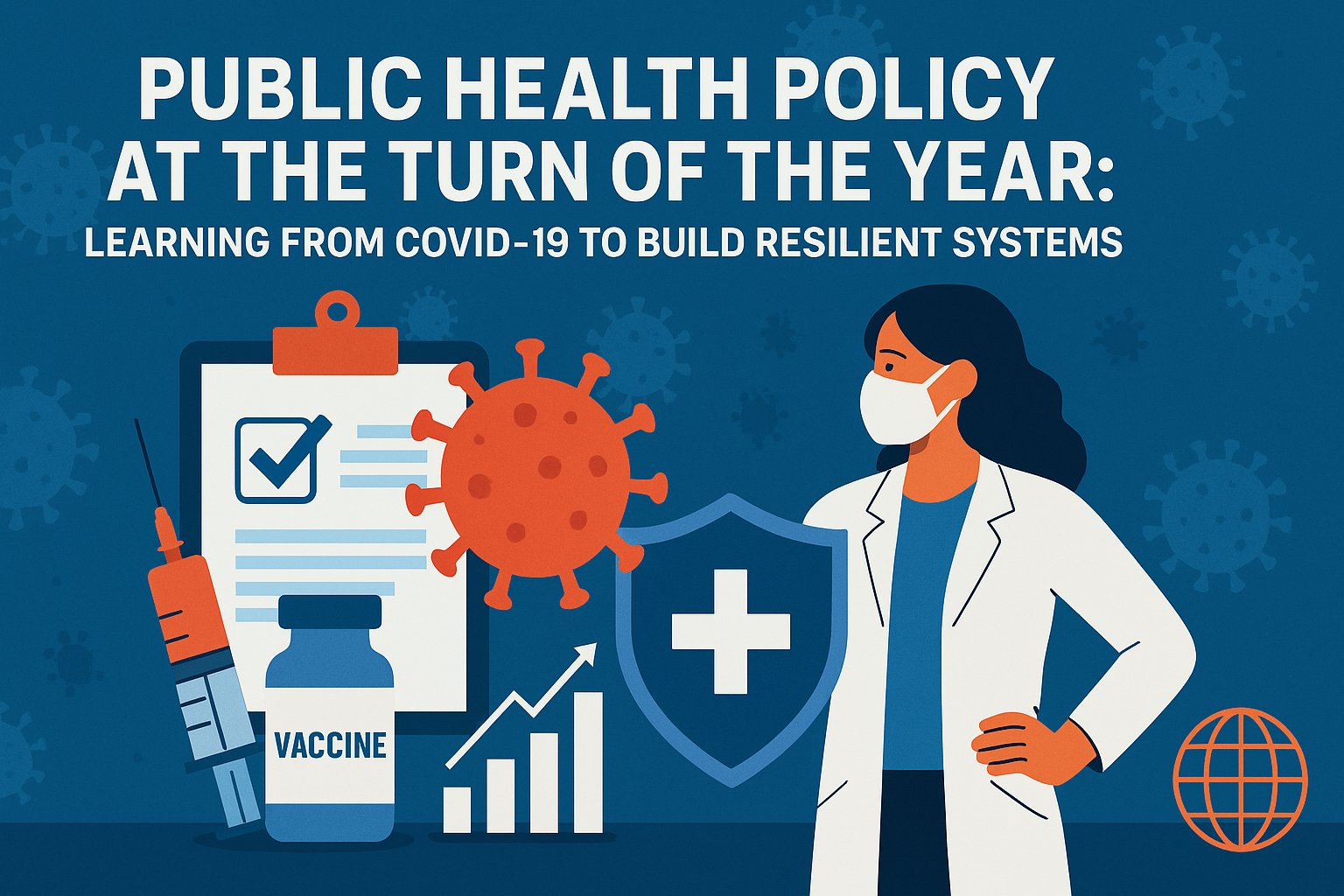
Public health policy in India has undergone a strategic transformation due to the unprecedented challenges posed by the Covid-19 pandemic. The Constitution of India places public health as a shared responsibility (Entry 6, List II, State List), with directives for equitable access, welfare, and disaster management (Article 21: Right to Life). The pandemic revealed systemic gaps and reinforced the imperative for resilient health systems able to manage both everyday needs and emergency surges with efficiency and inclusivity.
Background & Context
Historically, India's public health framework evolved from colonial legacies such as the Epidemic Diseases Act of 1897. Sweeping public health programs—National Health Mission, Universal Immunization Programme, and targeted campaigns against tuberculosis, polio, and HIV/AIDS—have sought to expand coverage but often lacked broad-based preparedness for acute pandemics. The initial Covid-19 response relied on emergency statutes and ad hoc arrangements, highlighting the need for robust, modernized policy frameworks and reliable health infrastructure.
Current Scenario
As of 2025, the acute phase of Covid-19 is behind, but vulnerabilities persist. The government has increased healthcare allocations to 2.5% of GDP (2025 target under National Health Policy). Investments have boosted laboratory networks, digital surveillance (Aarogya Setu, CoWIN), surge capacities (oxygen, ICU), and health worker protection. Despite progress, fragmented data systems, unequal access, and operational gaps remain, especially in rural and marginalized populations. Reports indicate persistent disparities in health outcomes—higher Covid mortality among women, SC/ST, and senior citizens. The One Health mission, integrating human, animal, and environmental health, is now a central policy element to address zoonotic threats and future pandemics.
Government Policies & Legal Provisions
-
National Health Policy, 2017, targets strengthened preventive and curative care, increased budget, and health equity.
-
Disaster Management Act, 2005 and Epidemic Diseases Act, 1897 (amended in 2020 to protect health workers) continue to serve as legal frameworks.
-
National Digital Health Mission (NDHM) and Health Infrastructure Mission boost surveillance, telemedicine, and data-driven intervention.
-
Integrated Disease Surveillance Programme (IDSP) and Indian SARS-CoV-2 Genomics Consortium (INSACOG) improve data, research, and monitoring.
-
National One Health Mission supports cross-sectoral pandemic management.
-
Schemes such as Ayushman Bharat Pradhan Mantri Jan Arogya Yojana expand financial protection for large sections of the population.
Challenges / Issues
-
Outdated Laws and Limited Flexibility: Reliance on colonial-era statutes and emergency powers often restricts swift local responses and clinical guidance.
-
Data Fragmentation: Inefficient and uncoordinated data collection and sharing impede timely action and strategic planning.
-
Health Infrastructure Gaps: Rural hospitals, diagnostic labs, and surge facilities are often inadequate; supply chains remain vulnerable to disruption.
-
Access and Equity: Marginalized groups—women, SC/ST, migrant workers, senior citizens—face persistent barriers to timely and effective care.
-
Frontline Worker Protection: PPE shortages, training gaps, and occasional social hostility undermine safety and morale.
-
Disruption of Non-COVID Care: Pandemics often interrupt regular medical services, affecting non-communicable disease management, critical therapies, and routine immunization.
Way Forward
-
Modernize Legal Frameworks: Introduce a dedicated Public Health Emergency Management Act for clear roles, swift responses, and robust accountability.
-
Build Unified Digital Data Systems: Permanent, integrated platforms with transparent and secure data sharing for all health actors, including private sector and civil society.
-
Invest in Infrastructure and Supply Chains: Permanent national networks of diagnostic labs, oxygen facilities, and telemedicine; focus on district-level preparedness.
-
Reach Marginalized Communities: Targeted financial, educational, and public health interventions for vulnerable populations.
-
Protect and Empower Health Workers: Universal PPE access, ongoing training, legal protection, and community engagement to recognize their roles.
-
Maintain Non-Pandemic Care: Ensure continuity of TB, cancer, and other critical services during crises through operational planning.
-
Institutionalize After-Action Reviews: Regular audits, microplanning, and learning mechanisms for continuous improvement post-crisis.
Significance for Exams
For Prelims:
-
1897: Epidemic Diseases Act; 2020 amendment for health worker protection.
-
2005: Disaster Management Act.
-
2017: National Health Policy (2.5% GDP health spending target).
-
Ayushman Bharat Pradhan Mantri Jan Arogya Yojana (health coverage scheme).
-
National Digital Health Mission, Integrated Disease Surveillance Programme (IDSP).
-
Aarogya Setu, CoWIN apps and digital surveillance.
-
INSACOG: Indian SARS-CoV-2 Genomics Consortium.
-
National One Health Mission.
For Mains:
-
Impact of outdated health laws on pandemic responses.
-
Case study: CoWIN platform and digital surveillance during mass vaccination.
-
Analysis: Rural vs. urban disparity in Covid-19 outcomes.
-
Policy debate: Role of telemedicine and digital infrastructure in creating resilient systems.
-
Example: Ayushman Bharat and its impact on health protection for poor and marginalized.
For Interview:
-
Covid-19 emphasized the importance of robust, inclusive and data-driven public health systems.
-
Integrated digital platforms and legal modernization are central to future preparedness.
-
Equity, community engagement, and resilience must anchor all reforms and policy implementations.
In Short
India’s public health policy must shift from reactive response to proactive, resilient systems grounded in equity, transparency, and sustained investment. The lessons of Covid-19 compel urgent reforms for a safer future.


Comments (0)
Leave a Comment