Air Quality Index (AQI)
The Air Quality Index (AQI) is a numerical scale developed to communicate the level of air pollution in a simple and understandable form. It indicates...
Stay updated with our latest posts, insights, and educational content designed to help you succeed in your IAS journey.
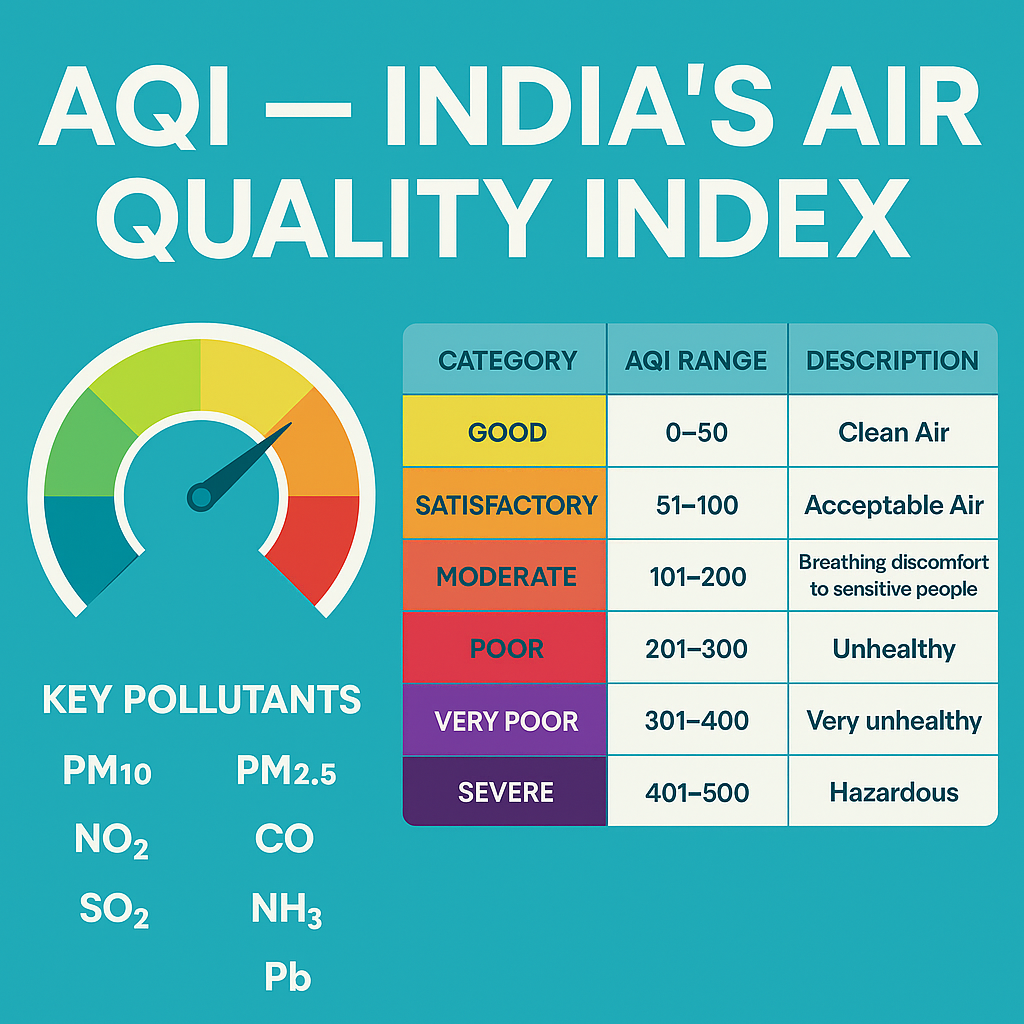
The Air Quality Index (AQI) is a numerical scale developed to communicate the level of air pollution in a simple and understandable form. It indicates...
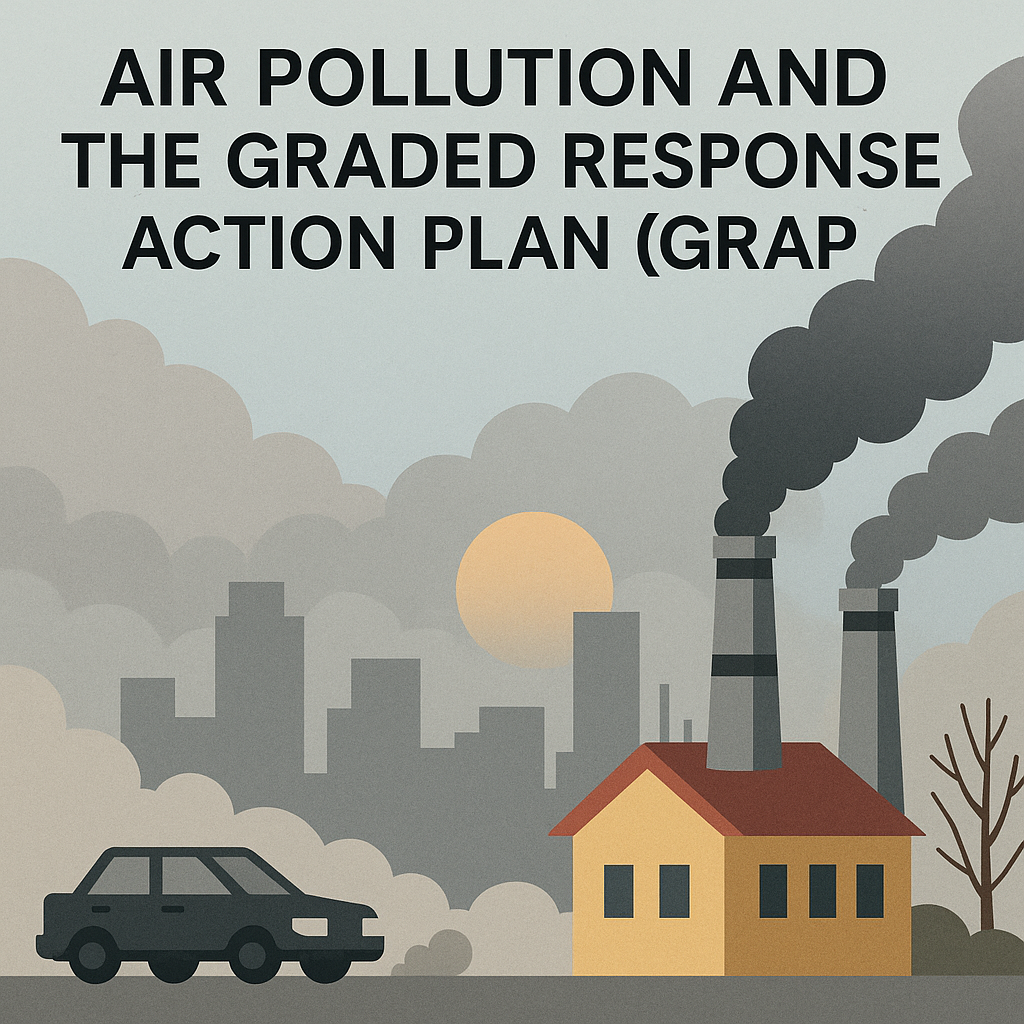
The Graded Response Action Plan is a timely and necessary mechanism for managing episodic air-quality crises in the Delhi-NCR region, linking science-...
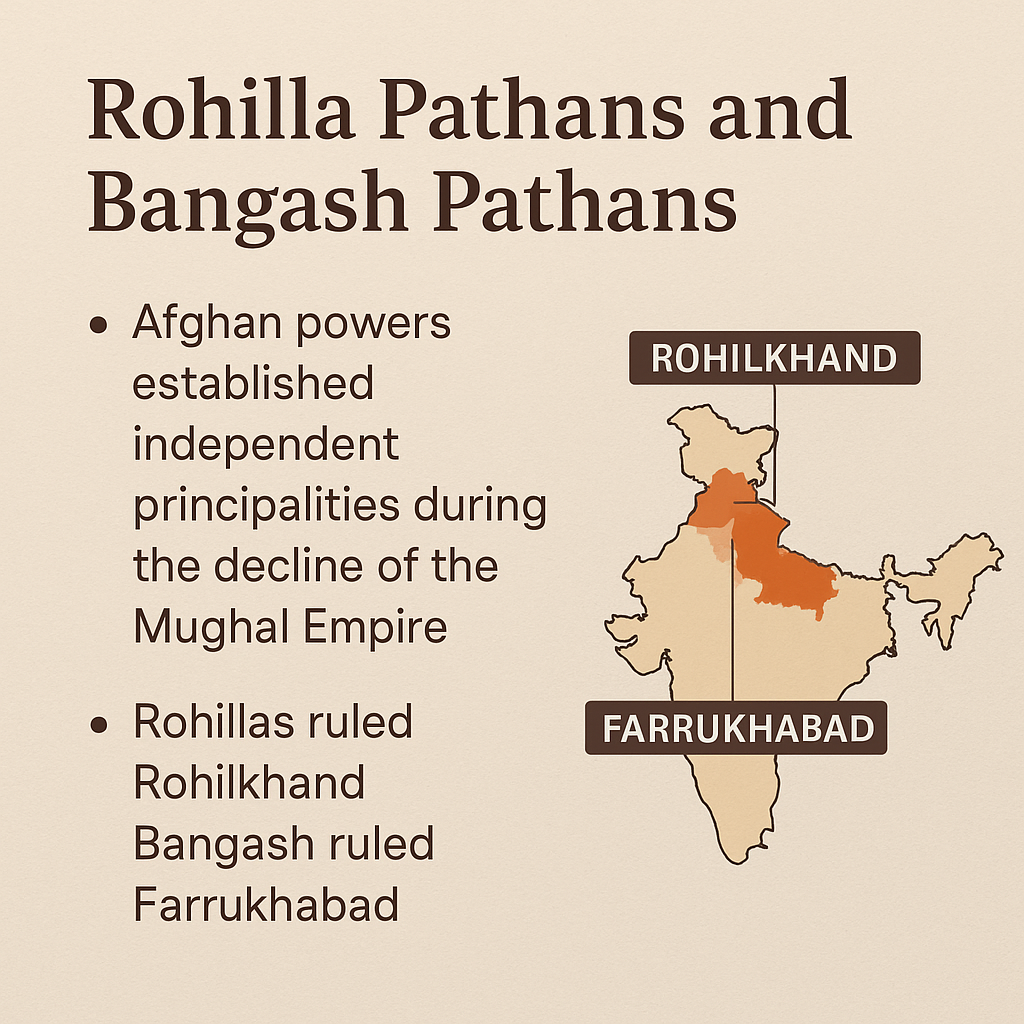
The Rohilla and Bangash Pathans were Afghan powers who established independent principalities during the decline of the Mughal Empire. The Rohillas ru...
The Principle of Cover or Acchadan ka Siddhant ensures that in case of any conflict between a Central and State law on a Concurrent List subject, the...

The Nawabs of Bengal played a crucial role in shaping the political and economic history of 18th-century India. Beginning with Murshid Quli Khan, who...
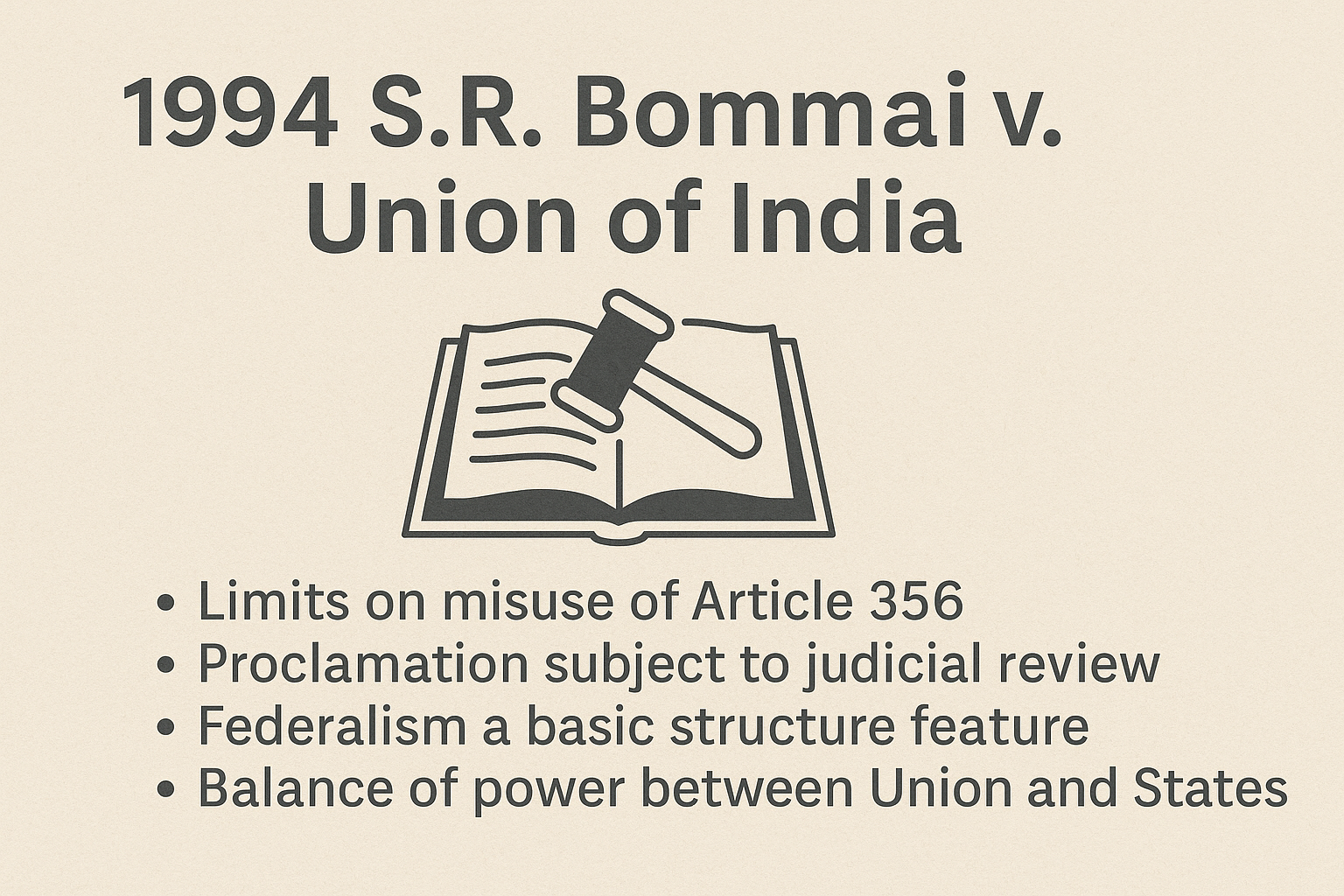
The S. R. Bommai case of 1994 reaffirmed that India is a federal democracy. It limited the misuse of Article 356 and empowered the judiciary to review...
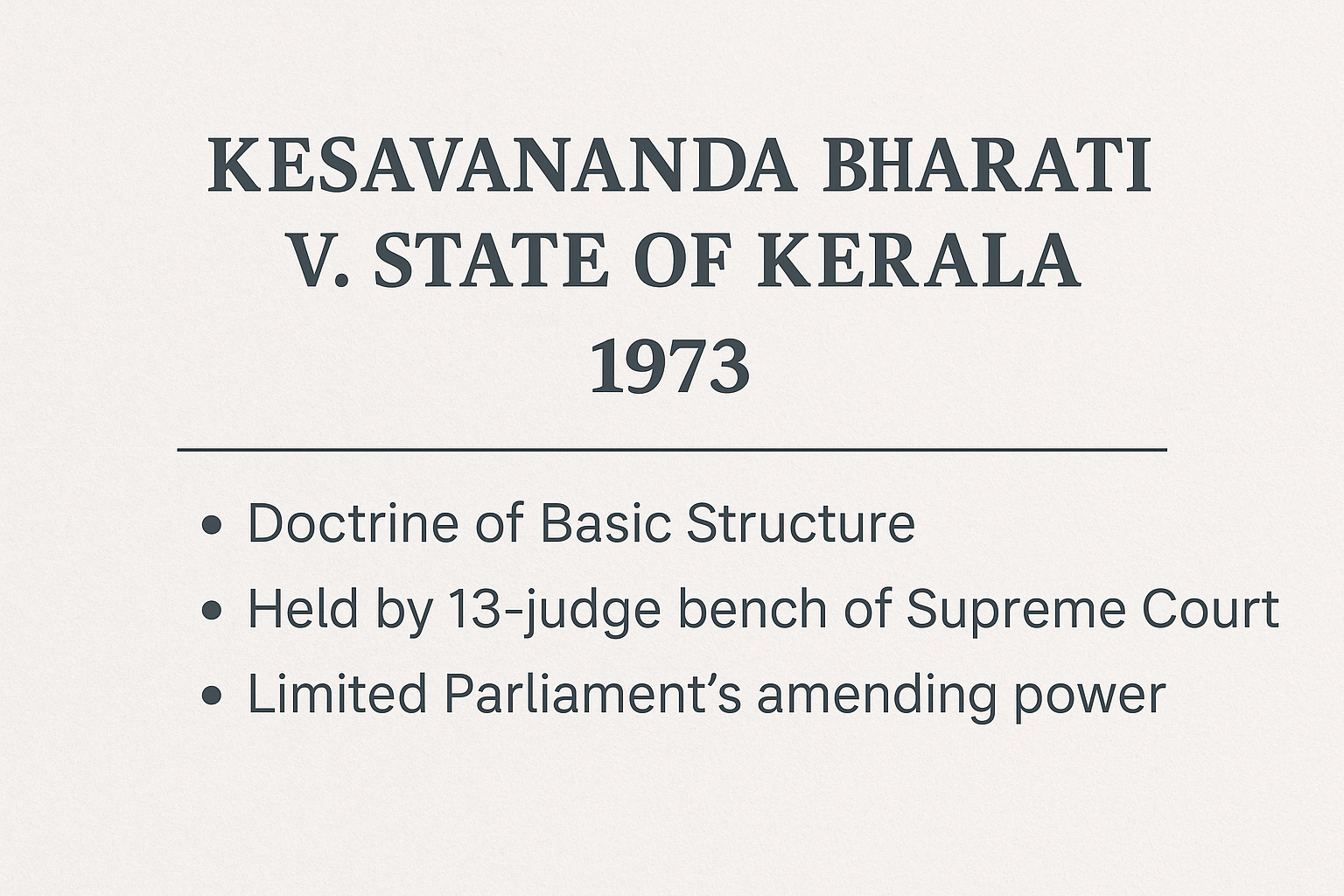
The Kesavananda Bharati judgment of 1973 introduced the Basic Structure Doctrine, limiting Parliament's power to amend the Constitution. It ensured th...

The 1967 Golaknath vs State of Punjab case held that Parliament could not amend Fundamental Rights, establishing judicial supremacy in protecting citi...
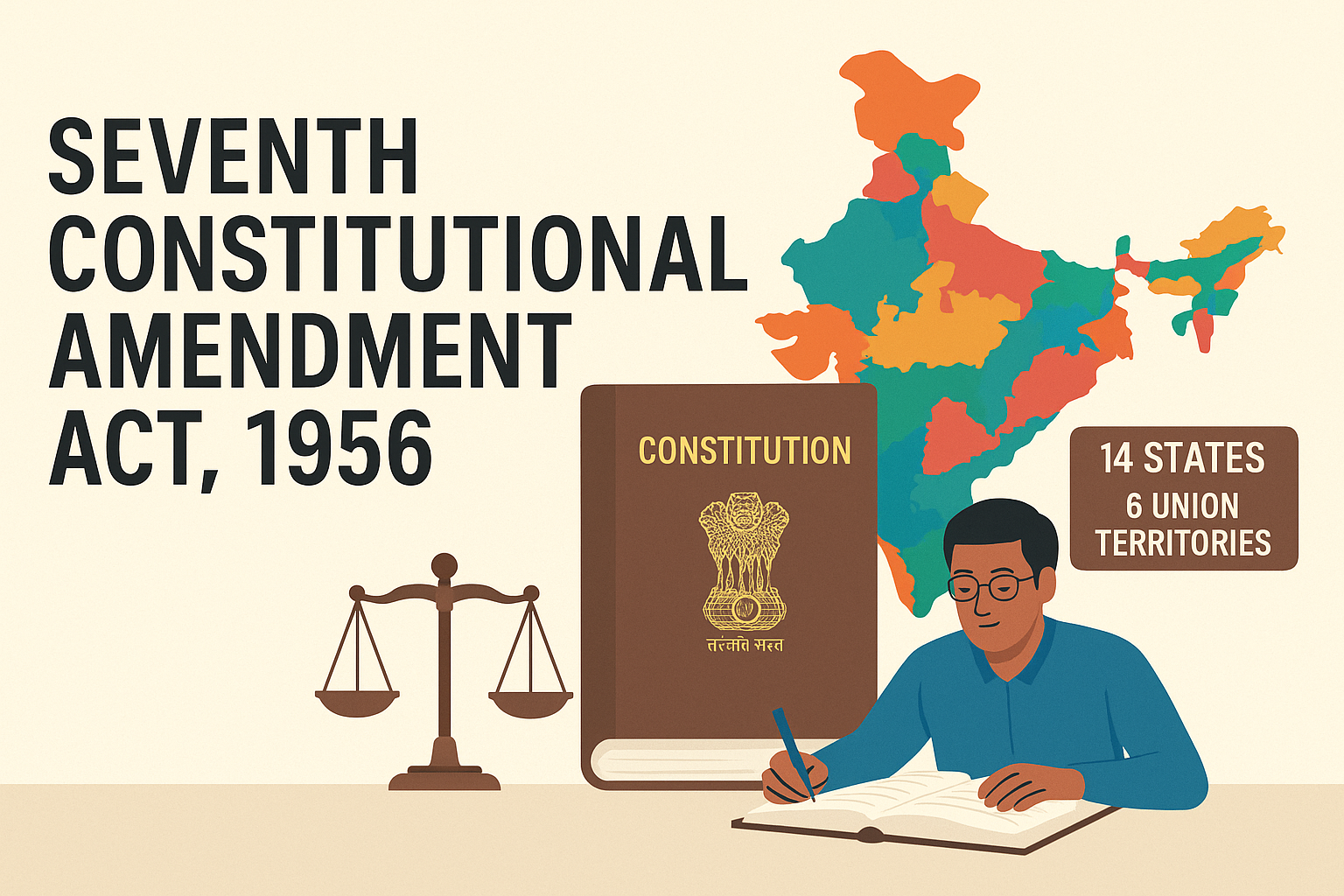
The Seventh Constitutional Amendment Act 1956 reorganised the Indian states mainly on linguistic basis, replaced the old state classification, and cre...
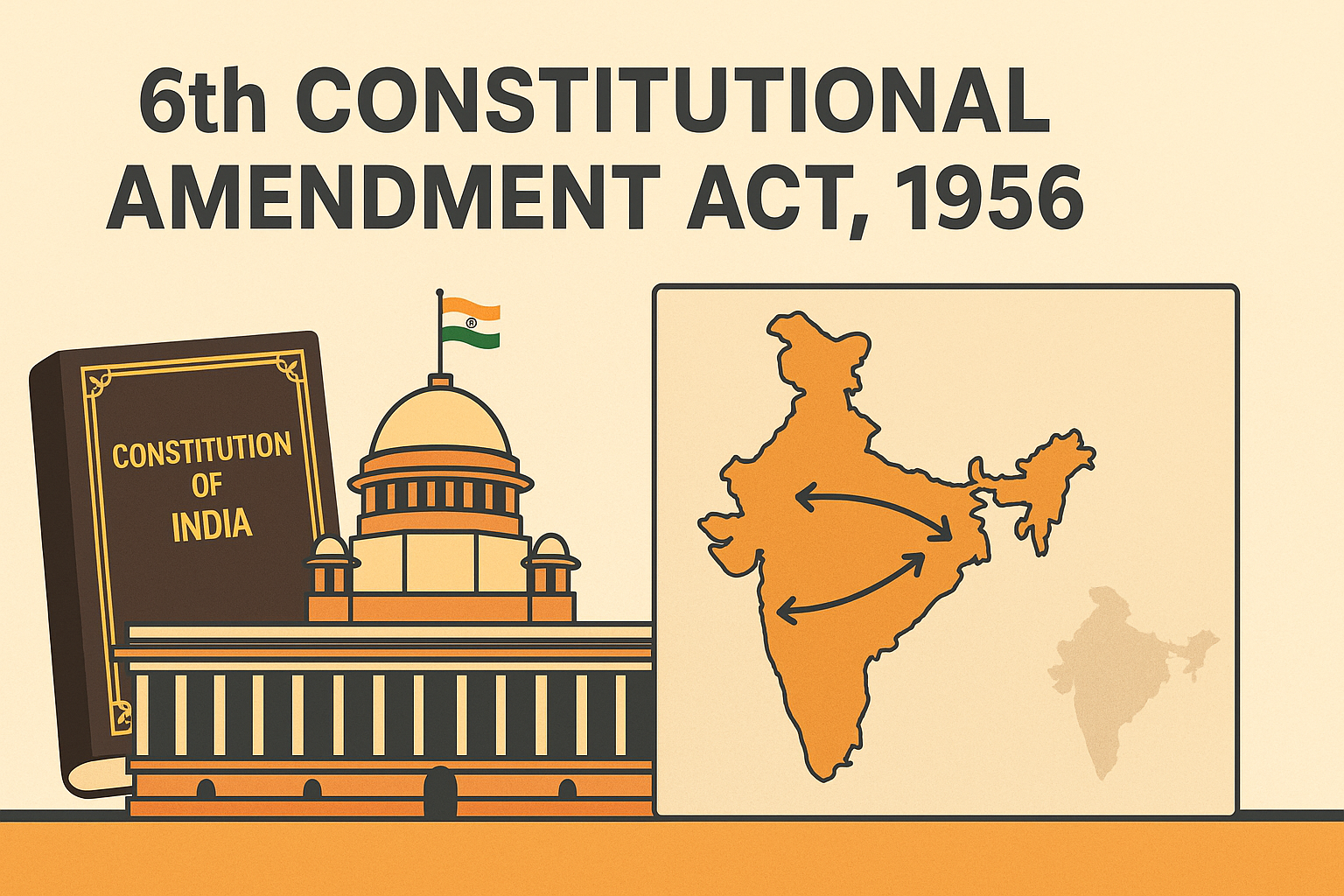
The Sixth Constitutional Amendment Act, 1956 aimed to clarify and streamline the taxation of inter-State sales and purchases in India. It brought clar...